


Music licensing
Music licensing in schools – what you need to know
Music plays an important role throughout the school day, but different uses of music may be subject to different licensing requirements. SchoolPlayer is a licensed music service designed specifically for schools and education. Here, we explain what you need to know about using music legally in schools.
Teaching & education
When music is part of teaching
Music licensing in schools can vary depending on how and where music is used. Certain educational activities may be covered by copyright exceptions or existing school licences, while background music in shared spaces, such as dining halls and common areas, may require additional permissions.
SchoolPlayer is a licensed music service designed for schools, giving teachers and educators a practical way to use music throughout the school day. However, schools should always check which licences apply to their activities and premises.
Music streaming services
Not all music services are for schools
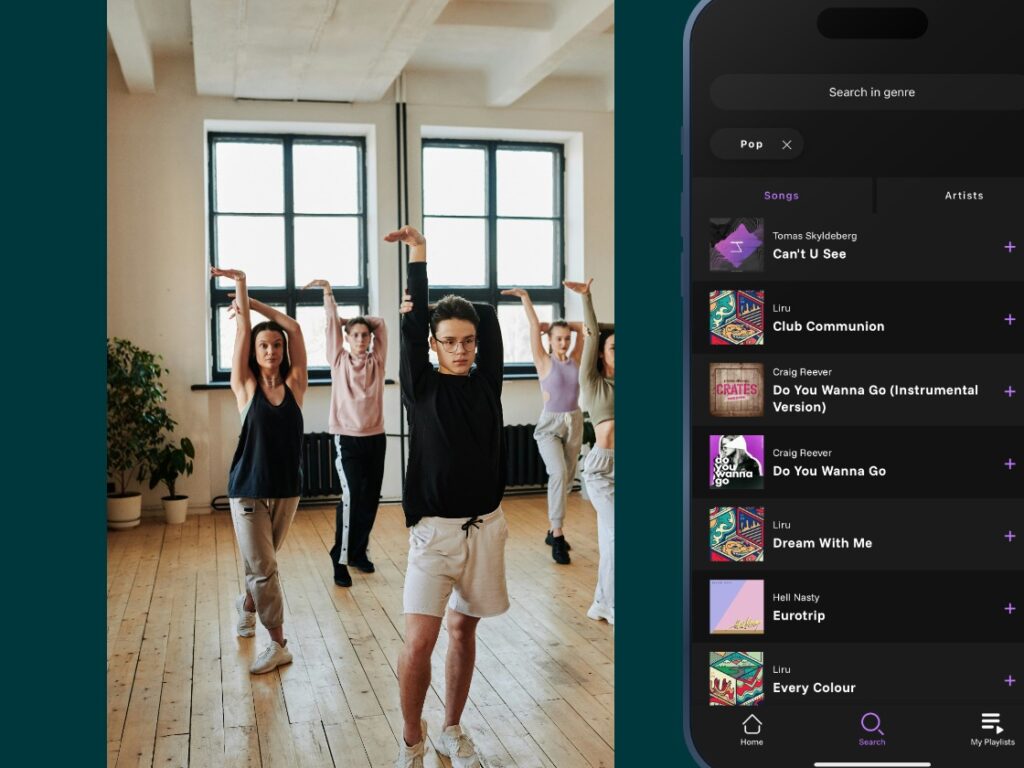
Just because music can be used for educational purposes doesn’t mean every streaming service is suitable for schools. Music streaming platforms have their own terms and conditions that determine where and how their services can be used.
Popular streaming services, such as Spotify, are primarily designed for personal listening. Schools therefore need a music service that is suitable and licensed for educational use. SchoolPlayer is designed specifically for schools, giving teachers and educators access to music through a service developed for their needs.

Outside the classroom
When music is used beyond teaching
Different music licensing requirements may apply when music is played outside teaching activities. This includes background music in corridors, common rooms, cafeterias and dining halls, as well as music played during school events and other activities.
In the UK, background music and certain public performances may require licences from organisations such as PRS for Music and PPL. Some schools may already be covered by existing licensing agreements, so it’s important to check which permissions are in place.
SchoolPlayer is designed for use throughout the school day, both in teaching and other school activities. However, additional music licences may still be required depending on where and how the music is played.
Schools and education groups
Many schools already have music licences
In England, many state-funded schools are already covered by music licensing agreements arranged through the Department for Education. These may cover certain uses of music, including background music, school discos, performances and other school activities.
Licensing arrangements can vary depending on the type of school and how music is used. Whether you’re a single school, a multi-academy trust or a local authority, it’s important to understand which music licences are already in place and what they cover.

Frequently asked questions about music licensing in schools
In many countries, music used directly for teaching may be exempt from certain licensing requirements. However, the rules vary depending on the country and how the music is used.
Schools should also ensure that the music apps and streaming services they use are licensed for educational use, as many popular streaming platforms are intended for personal listening only.
It depends on how the music is used and the licensing requirements in your country. Music used directly for teaching may be covered by educational exceptions, while background music in shared spaces, school discos and concerts may require additional licences. Some schools are already covered by national or local licensing agreements.
Just because music can be played during lessons doesn’t mean every streaming service can be used in schools. Each platform has its own terms and conditions. Spotify states that its service is intended for personal, non-commercial use only and is not permitted for public playback in places such as schools.
SchoolPlayer, on the other hand, is specifically designed and licensed for schools and educational use. It gives teachers and educators access to a music service tailored to their needs, combining music with practical tools for use throughout the school day.
Using copyrighted music in school videos, recordings and other media productions may require additional permissions. This can include recording, copying, storing or publishing content containing music. The licensing requirements depend on how the music is used and where the content is shared.
Independent schools may benefit from the same educational copyright exceptions as other schools. However, additional music licences may be required for activities outside teaching, such as background music in dining halls and shared spaces.
Unlike some state-funded schools, independent schools may not be covered by centrally arranged licensing agreements and should check which permissions they need.
Want to learn more about SchoolPlayer and how it can support your school or education group?
Contact us